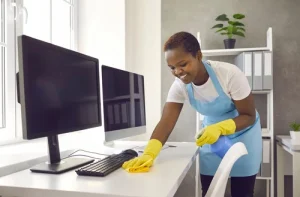
When the weather starts to turn in Northwest Indiana, the office usually gets busier indoors. Employees return from summer schedules, meetings fill conference rooms, and customers spend more time in reception areas, stores, and shared workspaces. At the same time, rain, leaves, and mud begin making their way through entrances and hallways.
That makes fall the right time to review the cleaning routine behind your workplace. A clean office is not only about looking professional for clients. It helps your team maintain an organized, welcoming space where common areas, restrooms, floors, and high-touch surfaces are not left until they become a larger problem.
For businesses in Valparaiso, Chesterton, Crown Point, Portage, Hobart, Hebron, Kouts, Wanatah, and nearby Northwest Indiana communities, a fall office reset can make the months ahead easier to manage. Brilliant Results Cleaning provides customized commercial cleaning for offices, retail spaces, restaurants, churches, gyms, property managers, medical facilities, manufacturing businesses, and educational facilities throughout the region.
Why Fall Is the Best Time for an Office Cleaning Reset
A fall reset gives you a chance to identify those gaps before the calendar becomes packed with year-end deadlines, customer visits, and holiday events. Instead of reacting to a messy office or an unprepared meeting room, you can build a practical schedule around how the business actually operates.
Start With the Areas People Touch Most
The Centers for Disease Control and Prevention recommends cleaning high-touch surfaces regularly and cleaning other surfaces when they are visibly dirty. In a typical office, high-touch surfaces can include door handles, light switches, desk surfaces, shared keyboards, phones, printer buttons, refrigerator handles, microwave handles, faucet handles, cabinet pulls, conference-room tables, elevator buttons, and restroom fixtures.
The goal is not to make employees responsible for a full commercial-cleaning program. Basic personal desk upkeep helps, but professional cleaning provides the detailed attention that shared spaces need. When the routine is clear, everyone knows what to expect and the office presents a more consistent appearance.
Cleaning, Sanitizing, and Disinfecting Have Different Jobs
The words cleaning, sanitizing, and disinfecting are often used as if they mean the same thing. They do not. Cleaning removes dirt, dust, and many germs from surfaces. Sanitizing reduces germs after cleaning. Disinfecting can kill harmful germs that remain after cleaning.
The order matters. The CDC advises cleaning surfaces before sanitizing or disinfecting because dirt and other impurities can make those products less effective. For most office settings, regular cleaning is the foundation. Additional disinfection may be appropriate in high-traffic areas, where someone has been obviously ill, or when health authorities provide specific guidance.
Product labels matter too. Disinfectants need to be used on the surfaces for which they are intended, and the surface must remain wet for the stated contact time. The CDC also cautions against mixing cleaning products or chemicals. For businesses with specific regulatory requirements, including healthcare, food service, childcare, and some manufacturing settings, the applicable standards for that facility should always guide the cleaning plan.
Use This Fall Office Cleaning Checklist
1. Refresh the Entrance and Reception Area
The entrance creates the first impression for employees, customers, delivery drivers, and visitors. During fall, it also becomes the first point where rain, dirt, leaves, and moisture enter the building. Review the condition of walk-off mats, glass doors, entry handles, floors, reception counters, chairs, and waiting areas.
Make sure mats are being vacuumed or cleaned often enough to capture debris before it travels through the building. Look at hard floors for scuffs and residue. A clean, dry entrance supports a more professional appearance and can help reduce slip concerns during wet weather.
2. Give the Break Room a Real Reset
Break rooms collect crumbs, spills, fingerprints, food residue, and forgotten leftovers quickly. They are shared spaces, which means they can be easy to overlook when everyone assumes someone else will handle the cleanup.
A detailed break-room routine should include counters, tables, chairs, sinks, appliance exteriors and handles, cabinet fronts, vending areas, floors, and trash containers. Fall is also a good time to review refrigerator cleanout expectations and restocking procedures for soap, paper towels, trash liners, and other basic supplies.
3. Review Restroom Cleaning Frequency
Restrooms are one of the clearest signs of how a business maintains its space. Fixtures, sinks, mirrors, counters, dispensers, doors, floors, and high-touch contact points all need regular attention. So do soap, paper products, and other supplies.
The right frequency depends on traffic. A low-use office restroom may require a different schedule from the restroom in a retail location, gym, restaurant, church, or multi-tenant building. Assess the actual usage, not just the schedule that was established months ago. September is the ideal time to make an adjustment before business becomes even busier later in the year.
4. Prepare Conference Rooms and Shared Work Areas
Conference rooms should not be cleaned only before a major client meeting. They need regular care between meetings so they are ready when an important conversation comes up. Wipe tables, chairs, remotes, whiteboard trays, shared technology, door handles, and light switches. Remove leftover cups, papers, and food, and make sure floors are clean.
Shared workstations need a clear routine as well. If more than one employee uses a desk, printer station, or equipment area, decide who handles the day-to-day reset and where a professional cleaning team takes over. Electronics should be cleaned according to the manufacturer’s directions. The CDC notes that wipeable covers can make electronic devices easier to clean and disinfect.
5. Do Not Let Floors and Corners Fall Behind
Floors take the most visible wear in a commercial space. Rain, dirt, leaves, and heavier indoor traffic can quickly show up in lobbies, hallways, entrances, and break rooms. A fall plan should account for vacuuming, mopping, carpet cleaning, and hard-floor care based on the materials in your space.
6. Plan for Illnesses and Unexpected Messes
No office can plan every event, but every office can decide how it will respond when something happens. A spilled drink, muddy floor, unexpected delivery, or illness in a shared area can require quick action.
The CDC advises disinfecting areas where people have obviously been ill, in addition to routine cleaning. Businesses should also make sure employees assigned to cleaning tasks understand the products they use, have access to label instructions and safety information, and work in adequately ventilated areas when needed. A professional cleaning partner can help clarify the response plan and provide reliable support when the normal routine is not enough.
How a Commercial Cleaning Partner Can Help
The most effective cleaning program is one that fits the business. Some clients need daily service to keep up with active common areas and restrooms. Others need weekly or customized recurring service, with periodic carpet cleaning, hard-floor care, or window cleaning. Brilliant Results Cleaning offers commercial cleaning schedules from daily to weekly, tailored around the business and the areas that need the most support.
A Cleaner Workspace Starts With a Simple Review
Before cold and flu season becomes the busiest part of the year, walk through your office from the perspective of an employee or visitor. Start at the entrance. Move through the reception area, restrooms, break room, conference room, shared work areas, and floors. Notice the areas that are touched most, the places where clutter or debris collects, and the details that create a first impression.
Then ask a simple question: Is the current routine keeping up with the way this space is used? If the answer is no, a fall reset is the right place to begin. Brilliant Results Cleaning can build a commercial cleaning plan that helps Northwest Indiana businesses maintain a clean, professional workplace all season long.
Frequently Asked Questions
1. How often should our office be cleaned in fall?
The right schedule depends on traffic, employee count, visitor volume, and the type of business. High-touch surfaces, restrooms, and shared spaces often need attention more frequently than private offices. Brilliant Results can build a customized commercial cleaning schedule for your Northwest Indiana business.
2. Which office areas should be cleaned most often?
Prioritize high-touch surfaces, entryways, restrooms, break rooms, reception counters, shared equipment, and conference rooms. The CDC recommends regular cleaning of high-touch surfaces and cleaning other surfaces when visibly dirty.
3. Can office cleaning be scheduled around business hours?
Commercial cleaning plans can be tailored around a business’s access needs and preferred service schedule. Discuss business hours, priority areas, and traffic patterns when requesting a quote so the cleaning plan fits the way your office operates.
Ready for a Cleaner Fall Office?
Brilliant Results Cleaning provides customized commercial cleaning and janitorial services for businesses across Valparaiso and Northwest Indiana. Contact our team today to request a free, no-obligation quote and create a cleaning plan that keeps your workplace ready for the season.
References
Centers for Disease Control and Prevention, “When and How to Clean and Disinfect a Facility.” https://www.cdc.gov/hygiene/about/when-and-how-to-clean-and-disinfect-a-facility.html
Brilliant Results Cleaning, “Professional Commercial Cleaning.” https://brilliantresultscleaning.com/commercial-cleaning-services/